50 questions to ask grandma while there's still time
Every family has stories that can disappear forever. Here are 50 questions that will gently and deeply draw grandma out — and preserve memory.
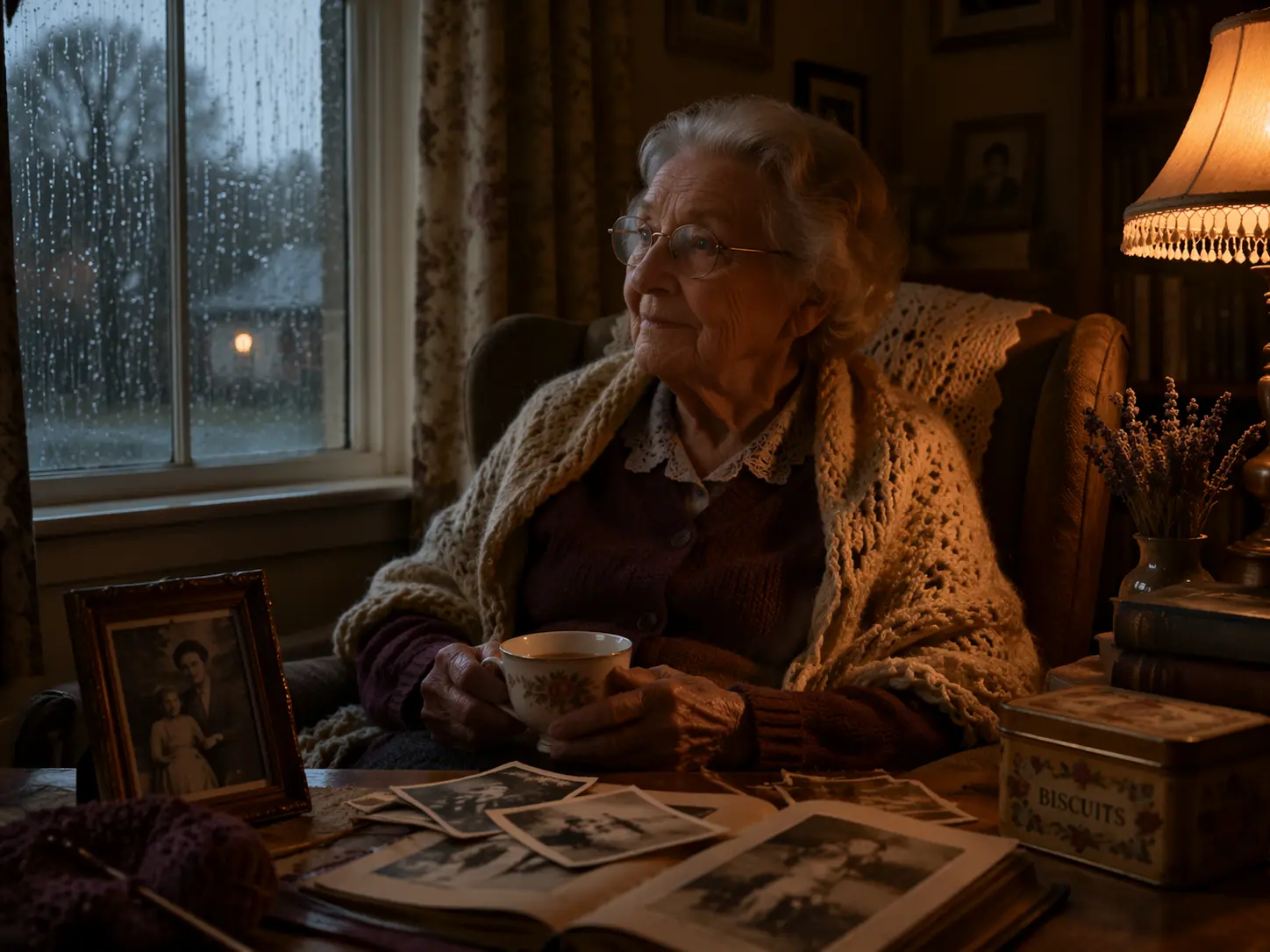
Here is the ready text in the format of a blog post.
We can spend hours reading about the history of a country, of generations, of eras, wars, migrations and great changes. But there is one history almost no one studies carefully enough — the history of one’s own family.
Which is strange. Because it is closest to us. It is precisely this history that explains where our habits, fears, characters, family scripts, values, way of speaking, and our relationship to money, work, love and survival come from.
The problem is that this archive is very fragile. Often it is stored not in documents, photo albums or on the internet, but in the memory of one particular person — a grandmother, grandfather, mother, father. And if you don’t ask these questions in time, a large part of that living history simply disappears.
That is why I put together this list. It is not a dry questionnaire and not a formal interview. It is 50 questions that help draw out not just facts but living scenes, the atmosphere of a time, the character of people, family truth and memory — things that are then very valuable to have for yourself, your children and future generations.
Why do this at all
There are a few reasons.
First, it is a way to really get to know a person you’ve known your whole life but often know only fragmentarily. Many people have never heard in detail what their grandmother was like as a child, what she feared, how she lived, what she went through, what she dreamed of, how she fell in love, what she lost, and what she actually thought about her own life.
Second, it is a way to restore depth to your family history. When ancestors are just names in your head, they remain gray figures. But when you find out who grew up in poverty, who lost loved ones, who fled, who worked from childhood, who was harsh, who was very warm — the whole family suddenly becomes real.
Third, it is simply humanly important. We often put off such conversations as though they could happen anytime. They cannot.
How to ask these questions
The worst thing you can do is sit across from someone and start dryly “going through the list.” That easily turns into an interrogation or an awkward interview.
A different approach works better.
Start softly, with simple, warm topics. For example: childhood, the home, smells, holidays, games, first memories. Once a person slides into recall mode, the conversation flows on its own.
Ask short questions, but ask for specifics. Not just “how did you live?” but:
- what did the house look like?
- what stood on the kitchen counter?
- what did you love most to eat?
- who was the strictest?
- which moment stuck in your mind most strongly?
The best things come from follow-ups:
- What did it look like?
- What did you feel then?
- Who else was there?
- What was before that?
- What happened next?
It is precisely these follow-ups that pull out the most valuable material.
Should you record on video or audio
Yes. And ideally so.
Memory sounds completely different in a conversation than in a written outline. Intonation, pauses, laughter, emotion, the way someone pronounces names, details a person suddenly recalls along the way — all of it preserves a living presence.
The best option is an audio or video recording on a phone. You don’t have to make it formal. You can just say you want to keep this conversation for yourself and the family.
After that, it’s very useful to:
- make a short life timeline;
- separately write down names, cities, dates, family lines;
- save the strongest stories as a separate list.
What is important to remember
Don’t try to ask all 50 questions in one go. This is not a checklist for one evening. Better to go through several blocks per conversation and return to it again later.
Don’t argue over inaccuracies. Memory can be wrong about dates, names or the sequence of events. That’s normal. The value here is not only in “facts” but in how the person remembers their own life.
And the main thing — look not only for information, but for scene, atmosphere, character, emotion.
50 questions for grandma
1. Childhood and the atmosphere of home
- What is your earliest childhood memory?
- What was the house or apartment where you grew up like?
- What stuck in your memory most about the home back then — smells, sounds, things?
- What kind of child were you in temperament?
- What did you fear most as a child?
- What made you happiest then?
- What family habits or rituals did you have?
- How did you celebrate big holidays?
- What were the relationships between the children in the family like — friendly, strict, competitive?
- Which moment of your childhood do you still remember most vividly?
2. Her parents, grandparents, great-grandparents
- What was your mother like — in temperament, habits, strengths and weaknesses?
- What was your father like — what was most striking about him?
- How did they treat each other?
- What was the atmosphere between your parents at home — warm, tense, strict?
- What were you praised for, and what were you scolded for most often?
- What did your parents consider the most important thing in life?
- What stories do you remember about your grandparents?
- Which of your ancestors had the strongest or strangest personality?
- Who in the family had the hardest fate?
- Which of your ancestors do you think I should know more about?
3. Daily life, poverty, work, the realities of the time
- How did your family really live — poor, middle, well-off by the standards of the time?
- What did you lack most as a child?
- What everyday thing today seems trivial but back then was a luxury?
- What was the hardest work you did from a young age?
- What did an ordinary day in your youth look like?
- What did people eat most often back then?
- How did your parents and family earn a living?
- Were there periods of real fear, hunger, scarcity, uncertainty in life?
- How did people survive hard times back then?
- What was hard about that life, and what, by contrast, was simpler than today?
4. Youth, love, marriage
- What were you like in your youth? How were you different from other girls?
- What did you dream about when you were young?
- How did you meet grandpa?
- What did you like about him at first?
- What were your courtship or the beginning of your relationship like?
- When did you realize this was serious?
- What is your favorite shared happy memory?
- What did you fight about most?
- What was the hardest part of marriage?
- If you described your relationship honestly in a few sentences — what would you say?
5. Big events, losses, turning points
- What event in your life changed you the most?
- What loss was the most painful?
- What period of life was the hardest?
- When were you most afraid for the future?
- What decision in life was the most right?
- And which was the most wrong or painful?
- Is there something the family usually didn’t talk about that is important to know?
- What family conflicts, traumas or hard stories affected everyone later?
- What did you understand about life later that you wish you had known earlier?
- What would you most want me to remember about you and our family?
Which follow-ups work especially well
Once the conversation is flowing, the strongest stories often emerge not from the main question but from a short follow-up. Here are simple phrases that almost always open depth:
- What did it look like?
- Who else was there?
- What did you feel then?
- What was before that?
- What happened next?
- Were you more afraid then, or more angry?
- What was this person like in daily life?
- What is the most important thing in this story?
- What about this don’t I yet understand?
What is particularly worth capturing
Some things are lost the fastest. They are especially worth catching in these conversations:
- family nicknames;
- people’s strange habits;
- who loved or didn’t love whom;
- who was warm, who was harsh, who was silent;
- stories of relocation, war, hunger, loss, hardship;
- how people met and why they married;
- what the family didn’t say out loud;
- what “legends” everyone heard but no one wrote down.
At the end
A grandmother is not just an older person in the family. Very often she is the last living bridge between you and a large chunk of your real family history.
And while this bridge still exists, you should cross it.
Not for the sake of it. Not for content. Not for pretty sentimentality. But so that one day you don’t realize too late that you had a whole living archive right next to you — and never opened it.
Ask a few questions. Record the voice. Save the stories.
Later it will mean far more than it does now.