NEURODRIFT Life

Life

Life without the filter: relationships, parenthood, money, the body and the daily grind — taken apart honestly, with humor and no greeting-card optimism. A mirror, not a lecture.

23 publications

35 min

The Social Graph as a Hidden Usefulness Ledger: Why the Brain Sorts People by Access to Resources — and a Test of Function-Free Friendship

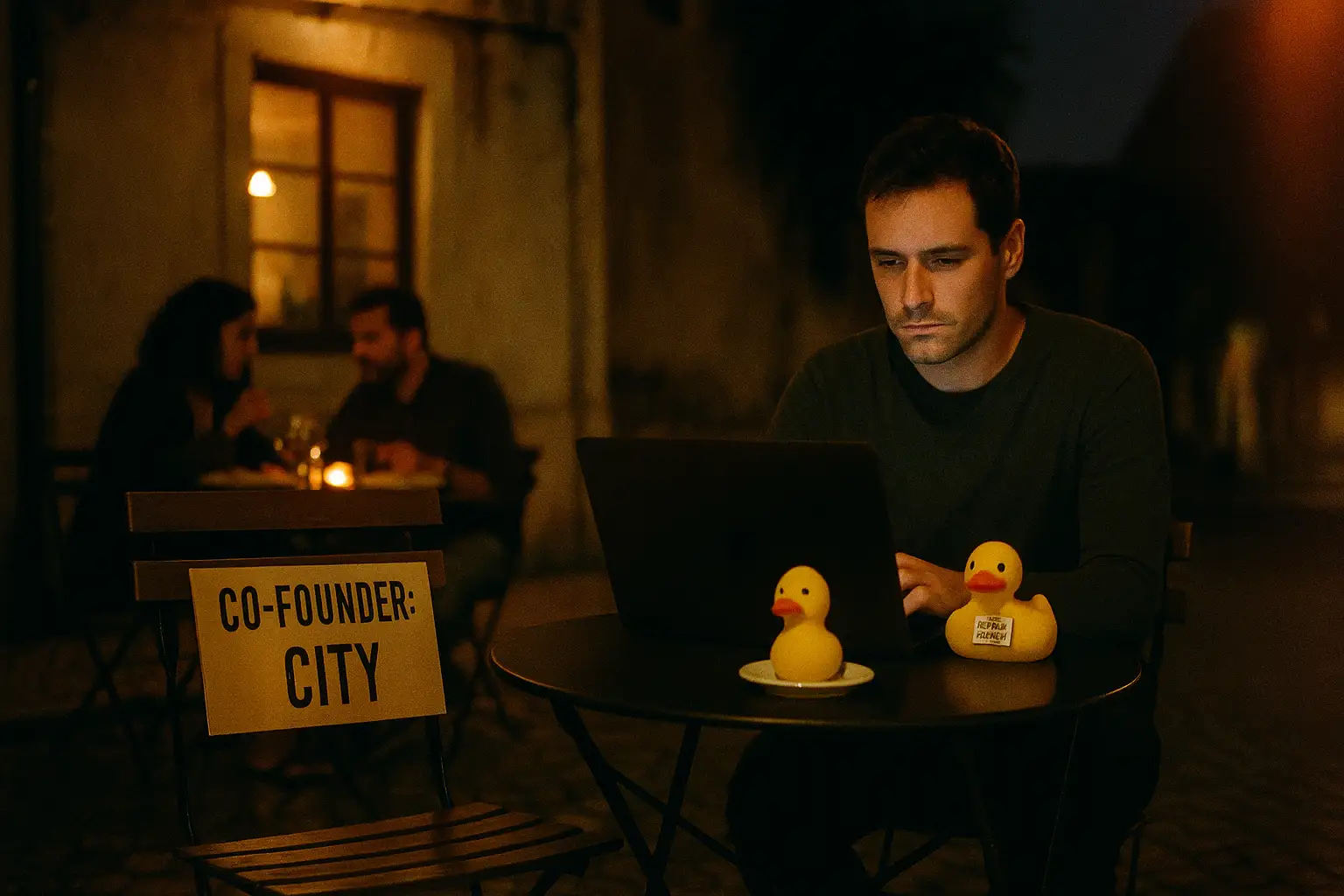
You say "we're just close" and "I value people." But inside, a quiet contact database is running: you unconsciously tag each person as a node (a hub with access) or a channel (a pipe to a resource) — and that column decides who you call back. The buried truth: even your warmth has an SKU. A technical dissection of the most intimate software you never knowingly installed.

  • friendship
  • relationships
  • social capital

19 min

Divorce Is Predicted by Small Signals: Responses to Bids for Connection — 86% in Lasting Couples vs 33% in Divorced Ones

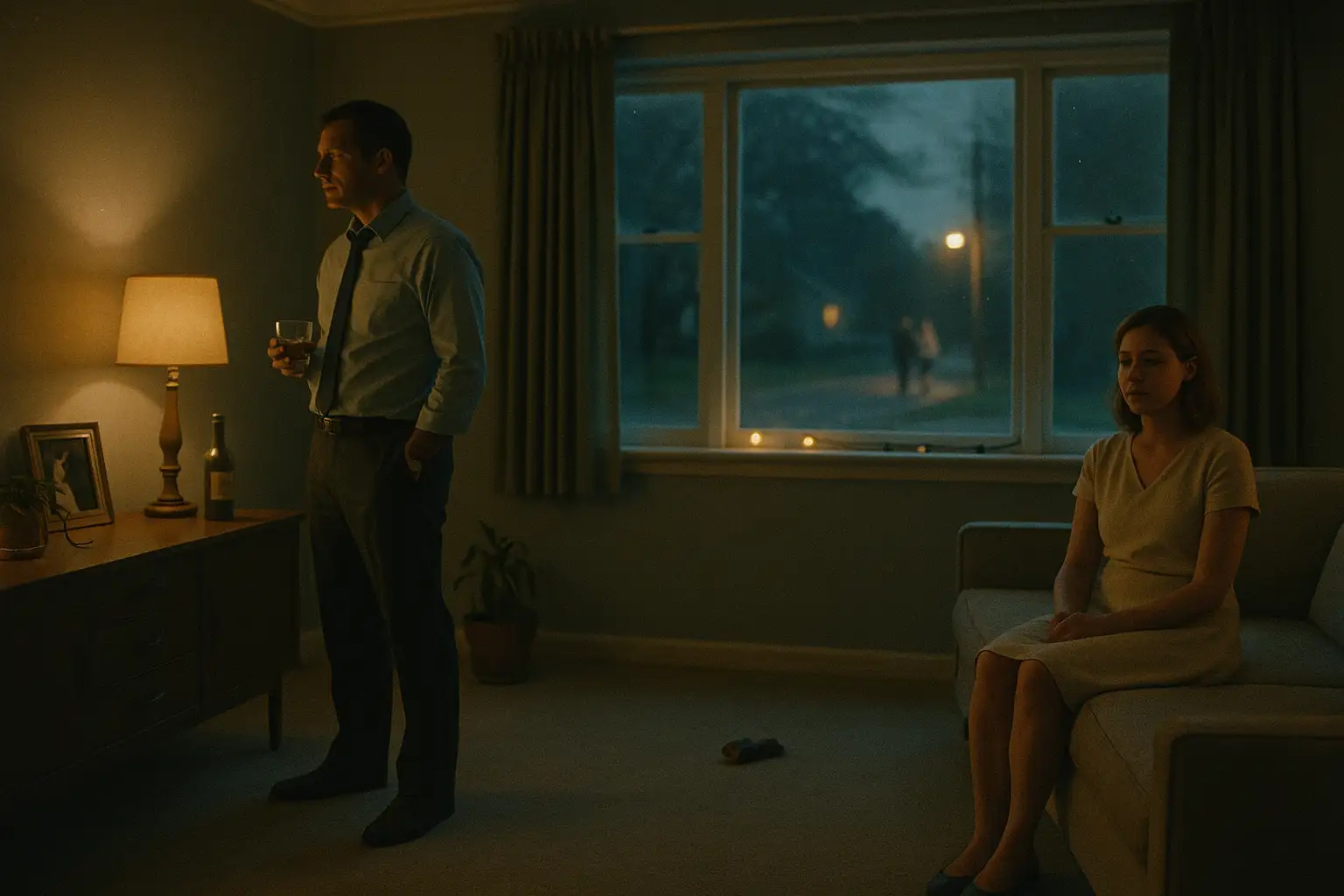
A couple doesn't die when someone cheats. It dies when one of them says 'look at this' and the other, for years, doesn't turn their head. The cheapest unit of intimacy isn't a date or a gift — it's a five-second answer to a small signal. An autopsy of what a quiet non-answer really costs: Gottman, the 86/33 numbers, metal fatigue, and a yellow paper crane as the only witness.

  • relationships
  • intimacy
  • divorce

18 min

The Economics of Granny Slavery: €470 Billion of Unpaid Care in the EU Alone

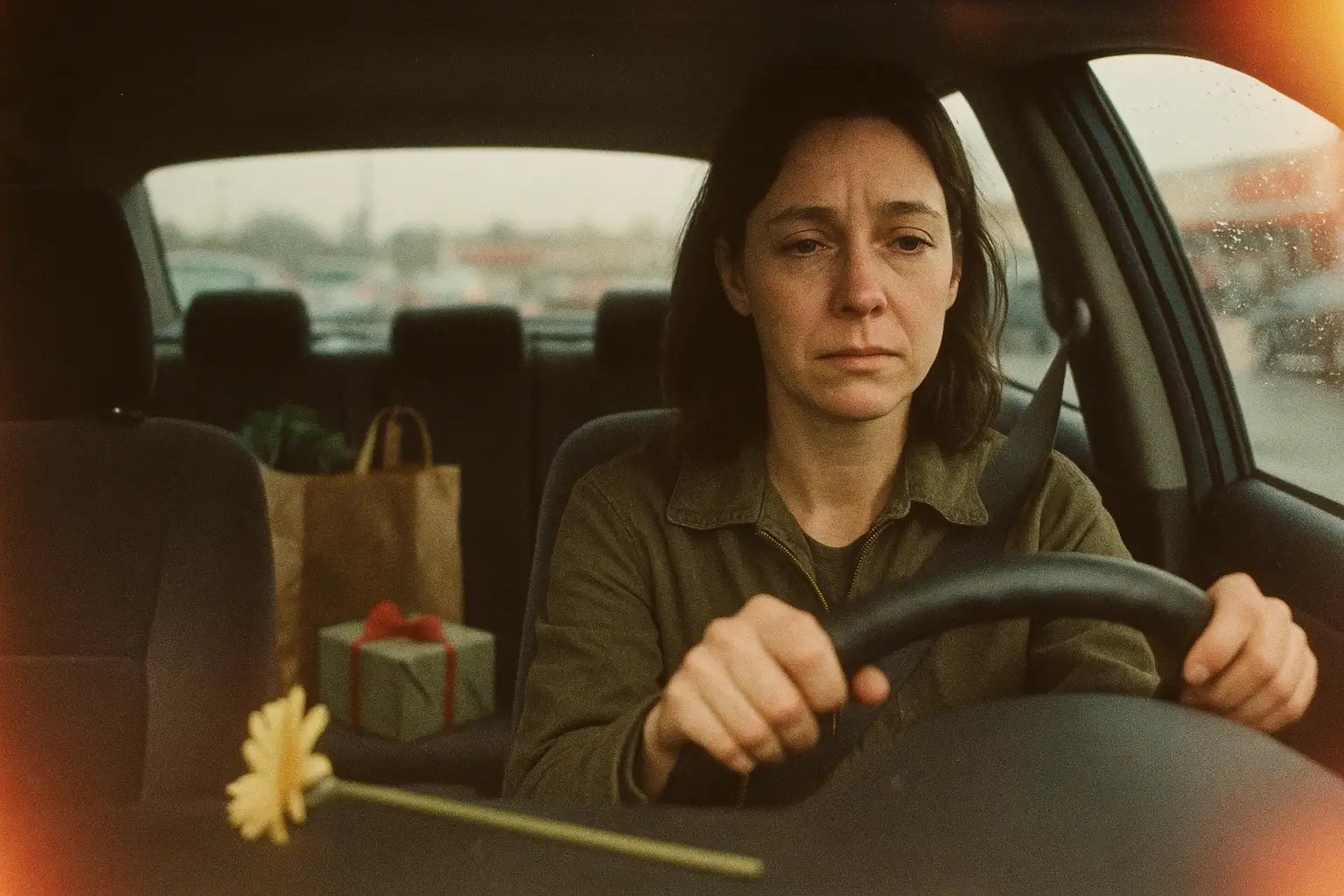
Adult children are massively offloading the raising of their own kids onto grandmothers — and the world is starting to issue invoices for it. Chinese courts award compensation for years of childcare, Korean grandmothers say "I didn't want to but couldn't refuse," Spanish cardiologists have described a slave-grandmother syndrome. A region-by-region breakdown — from America's opioid grandfamilies to Ukraine's grandmothers of the war.

  • family
  • caregiving
  • grandparents

10 min

Intimacy as an Attention Delivery System: Responding to Small Bids Predicts Marriage Stability — 86% vs 33%

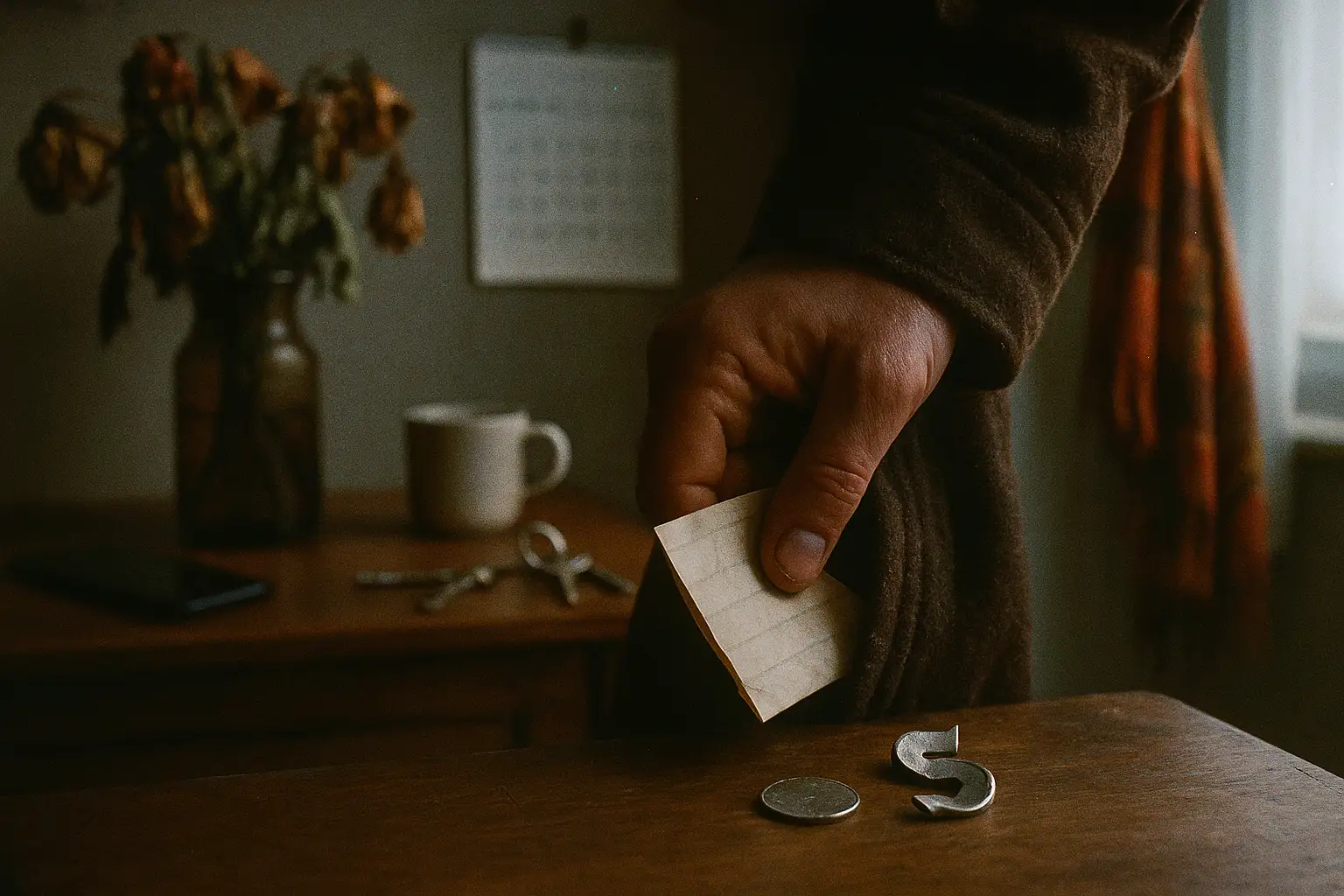
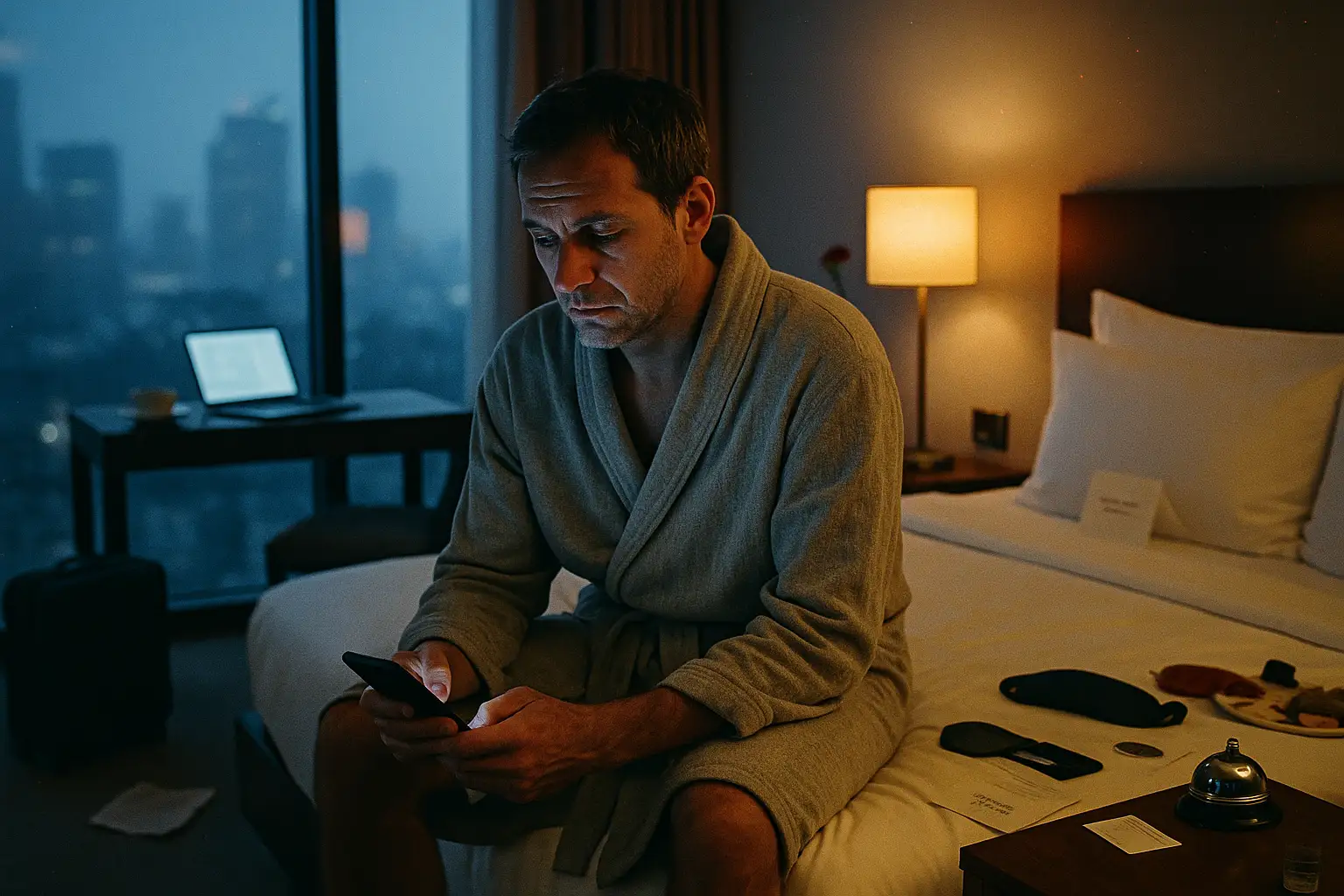
Intimacy is not an emotion that happens by accident. It's an infrastructure of proof that another person exists in your head even when they're not in the room. Spontaneity has poor uptime: if love runs on mood alone, it crashes in the first week of work, kids, fatigue, and a phone in hand. Cached presence, bent coins of the 14th century, Gottman, and the 48.8% of care that nobody noticed.

  • relationships
  • intimacy
  • rituals

32 min

Capital Hired You a Guard — and Forgot to Let You Into Your Own Life

Capital automatically converts not into quality of experience but into options — and options without direction become a wealthy version of scatter. On the internal Status Butler who buys life markers without knowing how to live, the Presence Accountant who counts recurring living touches, and Return on Presence — the metric that starts working exactly where 'how much does it cost' ends.

  • life
  • money
  • presence

32 min

The Teflon life: when nothing sticks to memory anymore

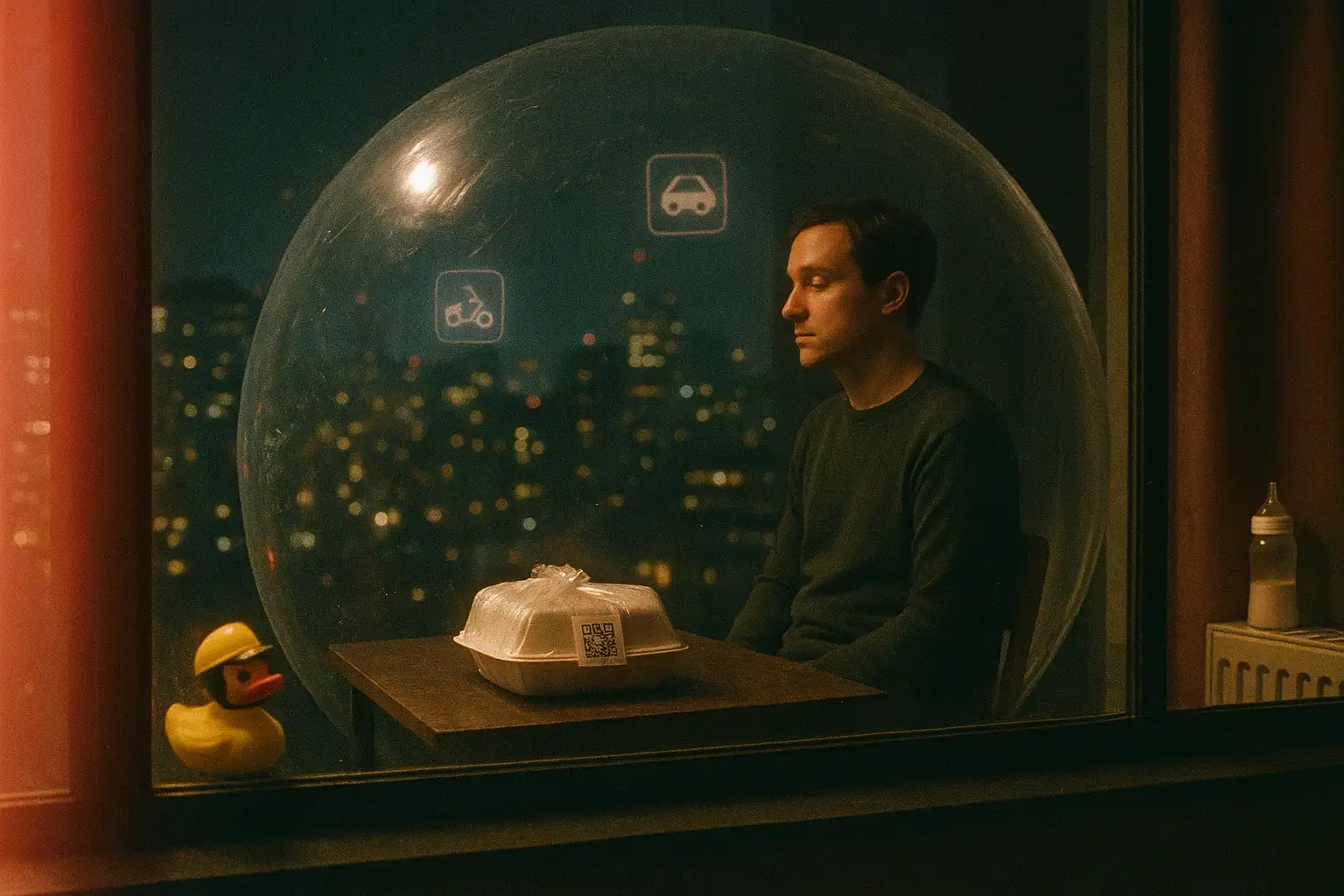
The metro, the turnstile, two hryvnias you don't have. Sour dumplings from the train, fried over with ketchup until the smell of sour becomes just the smell of frying. Back then everything hurt — and everything was alive; it was one and the same fact. Then money arrives and spins a cocoon: delivery instead of the market, a taxi instead of the minibus, a curated circle instead of the random one. Across two samples of N=118 026, higher income doesn't switch off sociality — it privatizes it: fewer neighbors, more of your own people. Killingsworth: ~¾ of the income→happiness link runs through a sense of control, and control is the very material the cocoon is woven from; the $75k ceiling was overturned in 2023 — so the flatness of a rich life is not a ceiling of money but a design choice. A text about the Teflon life that nothing sticks to — and about engineered permeability: calibrated friction instead of maximal.

  • життя
  • гроші
  • увага

21 min

Marathon and Ultramarathon Without Illusions, Romance, or Vanilla

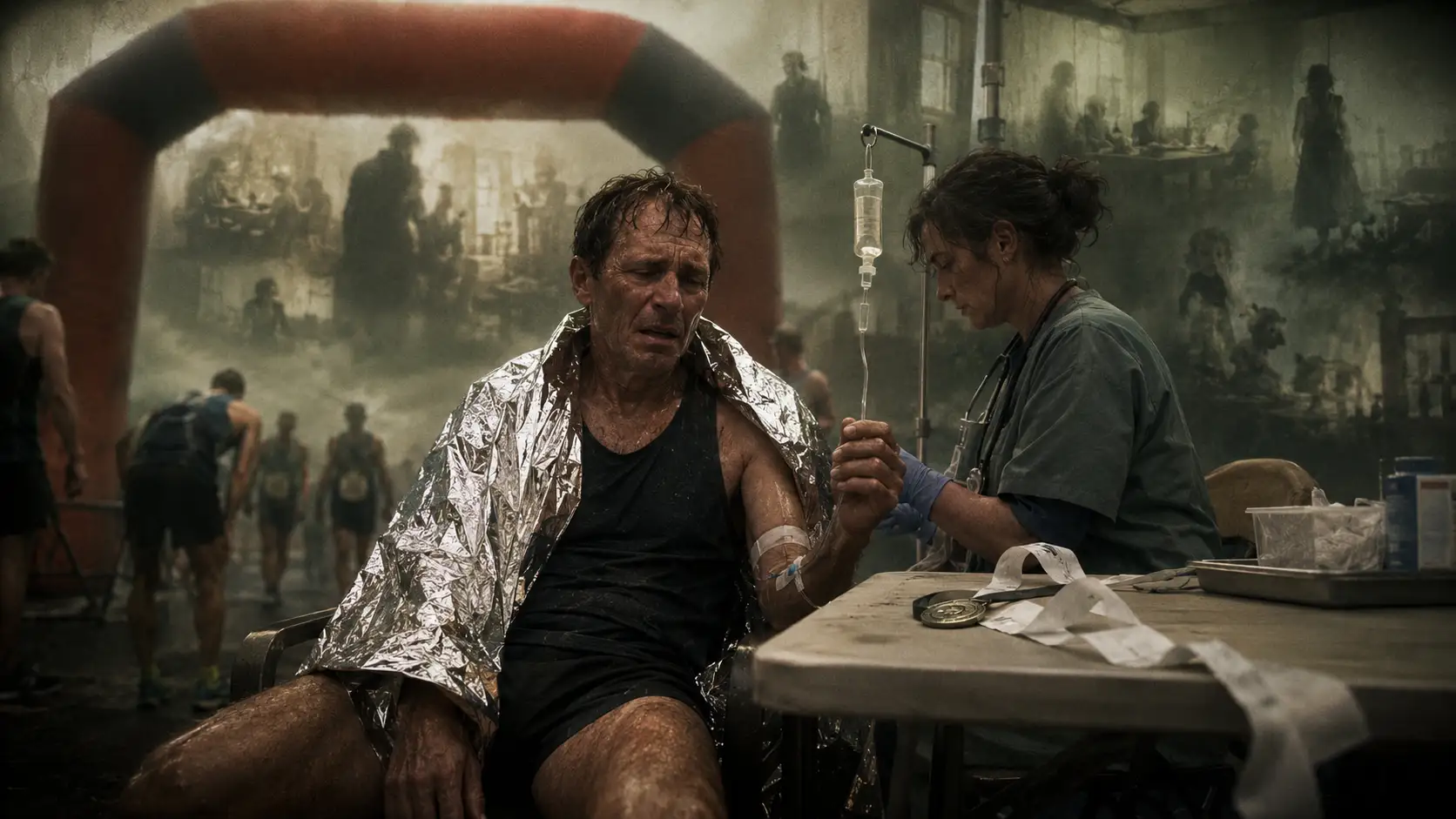
Not how to run 42.195, but why. Roughly half of all finishers cross the line with elevated troponin — the same blood test that diagnoses a heart attack in the ER. The fittest hearts carry the most coronary plaque. The average person's first marathon comes at around 38, not 18. A dissection of the physiology without anesthesia, of proving yourself through the body, and of a $5.2-billion suffering industry — plus the honest line past which running adds years to your life instead of trading them away.

  • marathon
  • endurance
  • psychology